When a Small Crack Becomes a Bigger Problem
Only after a kitchen splashback issue occurs do most homeowners consider what its implications are. It's always lurking behind the stove and sink, absorbing splatters, steam, and scrubbing daily, and it's so easy to ignore because it may never ever be noticed. However, a damaged and tired splashback is not only a cosmetic problem, but it may also lead to difficulties occurring behind the walls. It may be a great time to take a closer look before a little crack becomes a much larger repair.
A Quick Story: Sarah's Kitchen at Narre Warren
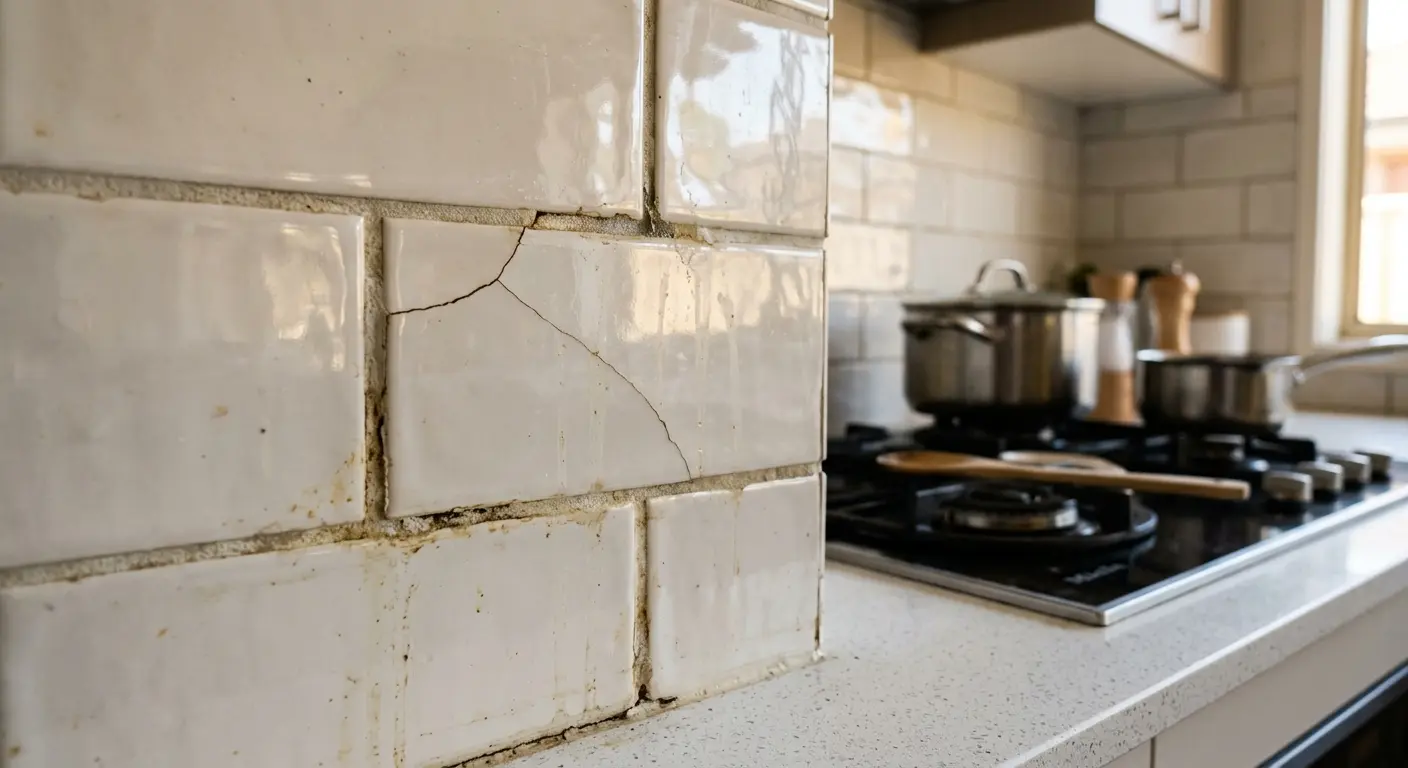
One of our customers, Sarah, called us a few months ago because she saw a crack in the thickness of a hairline behind the stove that she was using. After all, she thought, it was just because she had been in the kitchen for 10 years cooking for her family. We went out to have a look and saw that the crack allowed water to penetrate behind the tiles, and the wallboard under the tile-covered walls had begun to soften. It was initially a faulty tile which a year ago had ended up being a full kitchen splashback replacement, and the back of the wall had to be patched.
There are many like Sarah. It's not seen in Melbourne homes enough, but we see it all the time. It's something that isn't happening enough throughout Melbourne homes, and it's very easy to miss and only see as a bigger task. The upside is that it's possible to identify these concerns early on and sidestep the additional expense and hassle.
Why Your Splashback Deserves a Second Look
A Kitchen splashback is not just a space filler! It's your home's primary line of defense against heat, grease, and moisture and receives more abuse than virtually any other surface daily. No matter how well put together the tiling and grout is, it will eventually wear. No matter how good the tiling and grout is, it will wear if it is in regular use, as in a busy Melbourne home where the stove and sink get used daily.
When you see the signs upfront, you're not simply fixing an appearance issue. You are looking out for your walls, cabinetry, and finally your kitchen renovation investment!
Here are some of the usual indicators that it's time to replace your kitchen splashback. Our tilers have a checklist of the issues they typically look out for in Melbourne kitchens, as follows:
- Cracked splashback tiles. Just a small hairline crack is enough to allow water and grease to get behind the tile and cause hidden damage over the years.
- Grout that is discolored or stained. If the grout turns yellow, black, or patchy after frequent cleaning, it's likely that water has penetrated.
- Tiles that have become loose or are lifting. The adhesive has probably failed if the tiles tap hollow or are beginning to pull away from the wall.
- Strong odors around the stove or sink, more or less continuously. This often means that there is moisture under the splashback; sometimes even before it is evident there has been any damage.
- Backing surface of the tile swirling or bubbling at the line. This is one of the easier to notice indications of water damage, and is not something that should be overlooked.
- An out-of-date style that doesn't blend in with a more modernized remodeling. There doesn't have to be something structurally wrong; the splashback may just be out of date with your now-changed cabinets and benchtop.
Now if you are seeing more than one, it's likely it has passed the point of needing a quick patch-up and is at the end of its useful life.
What Will Happen If You Wait Longer?
The issue doesn't get bigger if you put off a splashback replacement. Cracked or damaged shards can allow water to pass behind the tiles, leading to water getting into the wall cavity, damage to cabinetry, and even mould growth in warm, humid kitchens. A simple tile swap can escalate into wall repairs, cabinet replacement, and an even larger bill, as it did in Sarah's kitchen.
That is why we always advocate having an inspection to determine the issue instead of just guessing. A trained eye will be able to discern between the consequences of surface damage and deeper water damage, and this translates to different repair strategies.
Do It Yourself (DIY) vs. Professional Splashback Installation
When there's a small, isolated crack where there's no indication of moisture behind it, it's easy to put the crack together. However, the replacement of tiles isn't the only aspect of splashback installation.
- Inspecting the back of the wall for hidden water damage
- Selecting easy-to-maintain surfaces that are also heat- and stain-resistant
- Correctly sealing edges and grout lines from moisture is important.
- Installing new tiles with matching old units for a seamless look when installing new cabinets or benchtops
It's these things that make a quick fix from a splashback last for a long time, which is one of the reasons why most homeowners find themselves calling in a kitchen tiling Melbourne service when they open up the curtains to see what is behind the kitchen tiles.
Non-payment for Installation Service Is Strictly Prohibited. Non-payment for Installation Service Is NOT Allowed
We have over 15 years' experience replacing kitchen tiles and splashback in Melbourne and the surrounding local area from Doveton to Narre Warren, Berwick and even Glen Waverley. Each job is done with a thorough examination not only of the tiles but behind the tiles as well, to ensure all bases are covered. Then, we go over the material options, the time frame, and an up-front quotation, so no surprises halfway through the job.
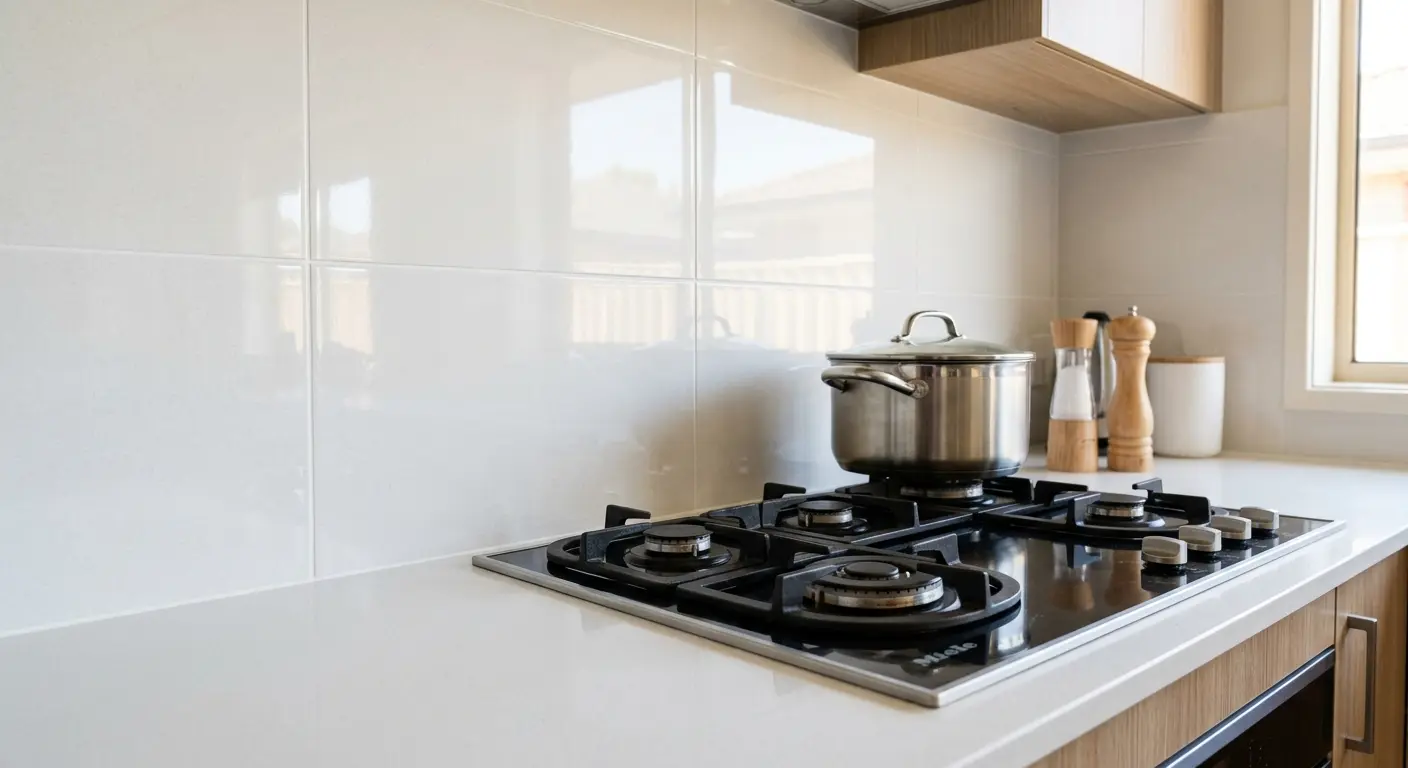
Not only was the wall behind the splashback fully repaired, but Sarah also had a same-week assessment and received a durable porcelain to match her newly renovated cabinetry, and the installation was a quality job that didn't harm the underlying brick structure, which gave her extra peace of mind. If you are choosing a replacement, our guide to subway tile splashbacks and large format alternatives covers the options.