You've used a dozen paint chips under the downlights, and every one has shifted according to the time of day or night? It's not as easy as it sounds to choose color in the kitchen; Melbourne's light can be very different throughout the day, and the weather can be just as unpredictable. It might be crisp and fresh-looking in the showroom, but it can become dull and greyish on a cloudy morning in July.
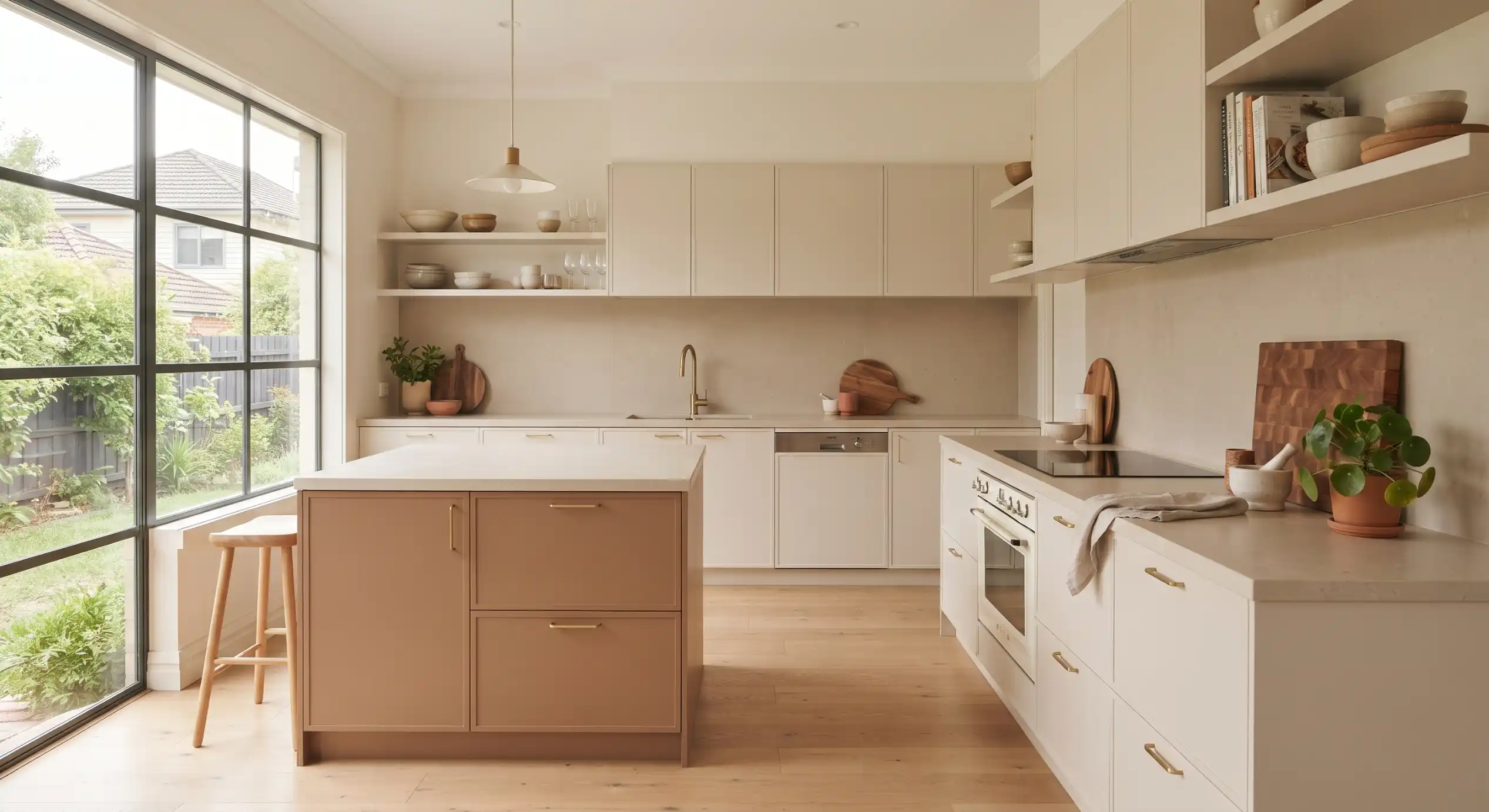
That is one of the reasons why warm neutrals and earthy colors are being used all around in the local kitchens. They remain easy to maintain in soft haze and tend to hide the wear and tear of daily use and are suitable for placement alongside timber, brick and older plaster surfaces. This is how to create a palette that is going to plan for your house, the things to look out for when ordering, and the common pitfalls.
In most homes, warm whites, sand, oatmeal, and soft clay are complemented by timber, matte tiles, and the safest kitchen colors. Stick to one tone that is darker and more earthy, like olive or walnut, for color depth. Test large samples in your kitchen at various times of the day before making an order.
What is a Warm Neutral Kitchen?
A warm neutral kitchen is based on a color that has a yellow, red, or brown base, including cream, oatmeal, sand, stone, and soft taupe. There are a few earthy shades that go the extra mile: Clay, terracotta, olive, sage, and mocha.
The undertone is the only thing that's important: the name on the tin. There are two ‘beige’ colors which can differ dramatically next to each other, and it's at that point that most color clashes begin.
- The warm white, cream, and oatmeal colors were quite appealing.
- In Stock and retail in bags at a lower cost
- Perfect for walls, cabinets and benchtops.
Earthy Tones
- Clay, terracotta and rust
- Mild herbs, such as olive, sage and moss
- Please select from a single pack of coffee that is Mocha, walnut or deep brown.
- Install best as a feature, as an island, base cabinets, or even a splashback.
Determine the most suitable kitchen colors for Melbourne homes.
This trend isn't solely for looks. Those palettes address actual problems in residential homes locally:
- Soft, changeable light. Cool colors become dull on overcast days. Warm colors are beneficial to keep a space warm, particularly in poorly sunlit south-facing kitchens.
- Older homes. Old Victorian and Edwardian houses may have timber floors, original cornices, and brick. Warm palettes work alongside these features, rather than in opposition to them.
- Tight layouts. Inner suburban kitchens are typically small. Light warm colors reflect light and can be used on all of the cabinets, and for one set of cabinets it is best to use a darker earthy color.
- Everyday wear. Finishes in the mid-tone range are often more forgiving with regard to fingerprints and splashes than white or black.
Kitchen Color Schemes: In Practice
Warm neutral and earthy schemes make these five kitchen color schemes perfect. Take the logic, though not necessarily the actual tones.
- Warm white and oak: Warm white or oatmeal cabinets, matte stone-look tile, light timber accents. Best for small and older kitchens.
- Soft sand / greige: Soft sand or greige cabinets, textured sand porcelain. Best for open-plan living.
- Clay and cream: Cream wall cabinets, clay-toned island, handmade-look cream tile. Best for feature kitchens and bathrooms, current trends.
- Sage and warm white: Sage or olive base cabinets, warm white tile, brass handles, or brushed natural oak handles. Best for kitchens wanting a mix of colour and warmth.
- Chalky white: Any chalky white that suits a chilled off-white or cream backdrop, stone samples for the benchtop, tonal tile. Best for larger kitchens with plenty of natural light.
Color ideas for your kitchen splashback and floor.
The palette is joined by tiles. Light textured, or matte, porcelain in any sand, stone, or clay color typically works well for warm colors. Handmade-look tiles provide variety, and that helps prevent a neutral kitchen from becoming flat.
Grout matters too. A contrasting color will form a pattern to see every day; tonal grout conceals marks.
For large-sized tiles, inquire about the base. In some parts of Victoria, the soils are “reactive,” which changes with the seasons, and large tiles should be supported on a flat, stable surface and equipped with movement joints. The kitchen tiling team is diligently reviewing this prior to laying anything. Read my guide to matching tile colors to your cabinet finish for more on matching finishes.
Step-by-Step How-To's: How to Choose Kitchen Colors
- Check the light. Try to determine the direction of the kitchen and its most frequent uses.
- List what’s staying. Undertone is determined by floors, benchtop, appliances, and window frames.
- Choose the undertone. Decide on a warm or a cool state, and maintain it.
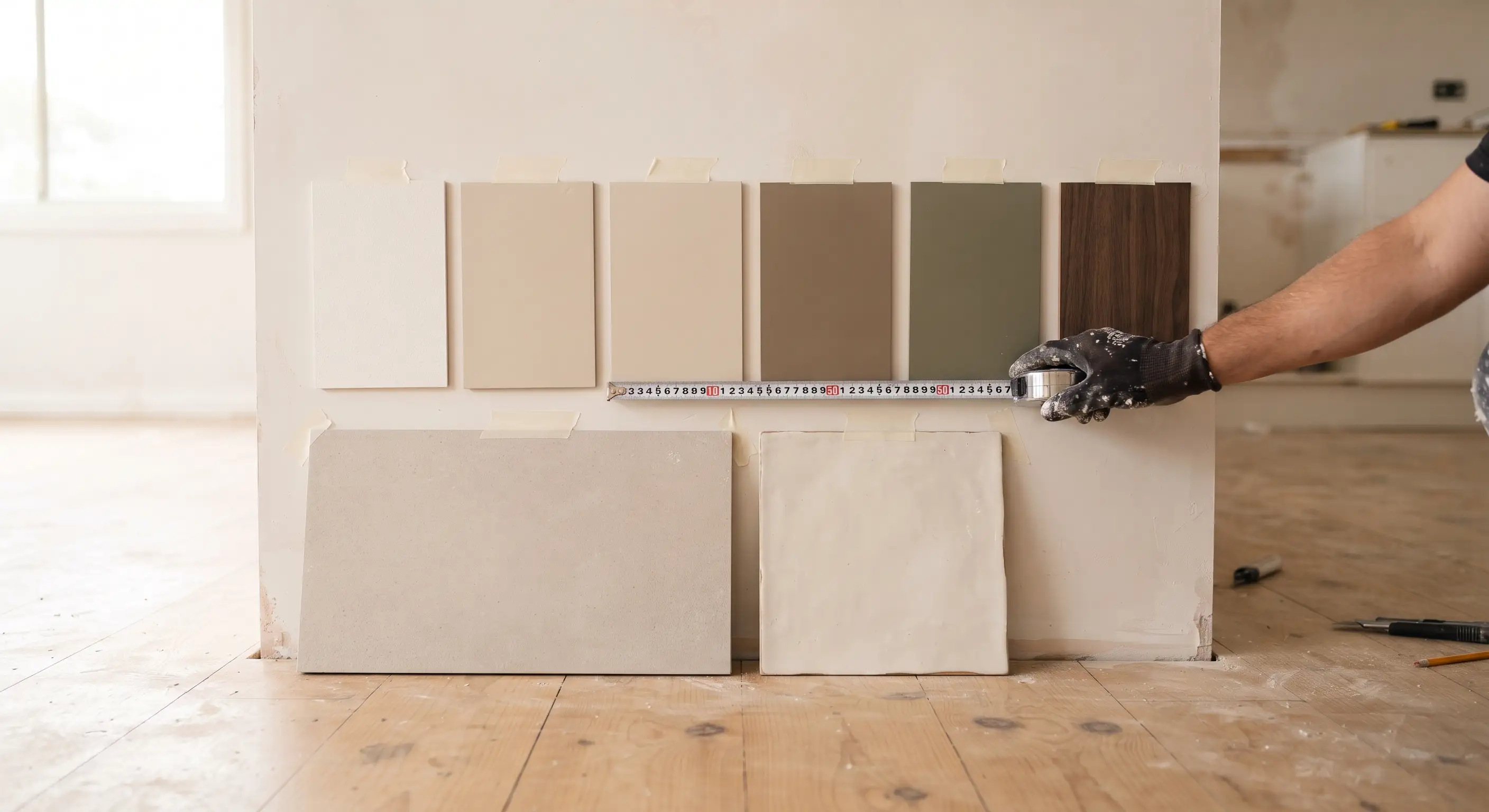
- Test large samples. Must be at least A3 size and taped to the wall beside the floor. Check in the morning, afternoon, and at night.
- Select cabinets and tiles as a group. Mismatches are when you order one before you see the other.
Top 10 Kitchen Color Combinations
- Selecting one of the screens and/or one of the little pieces of chip. Change of color depending on light and finish.
- Cool grey benchtop against creamy cabinets, a perfect mix of undertones.
- Went all beige with no texture whatsoever, so it appeared flat.
- Making a habit of disregarding the benchtop and the floor you maintain.
- In a small kitchen, there's a clear preference for bold earthy tones in all of the finishes.
- Choosing someone who's the cheapest option. Red flags are answers that are not clear, a lack of written scope and no details about the waterproofing behind the splashbacks, or no license or insurance information. The Victorian Building Authority has an online register of registered builders.
Cost and Timing
The color is very inexpensive. The material and finish on the back is what is used to push up the price. The doors are usually painted 2-pack types, use timber veneer and large-size tiling as their material, and are more expensive and faster to install than laminate and regular tiling.
The average cost of a custom kitchen is $20,000 and can reach as high as $60,000, and the typical lead time for delivery is 6-10 weeks for the installation of the cabinets. Borrowings that involve kitchen cabinet refacing are a possibly less expensive choice if the cabinets themselves are in good shape, but you're seeking a different appearance. Request a written estimate that lists separate costs for Cabinets, tiles, and installation.